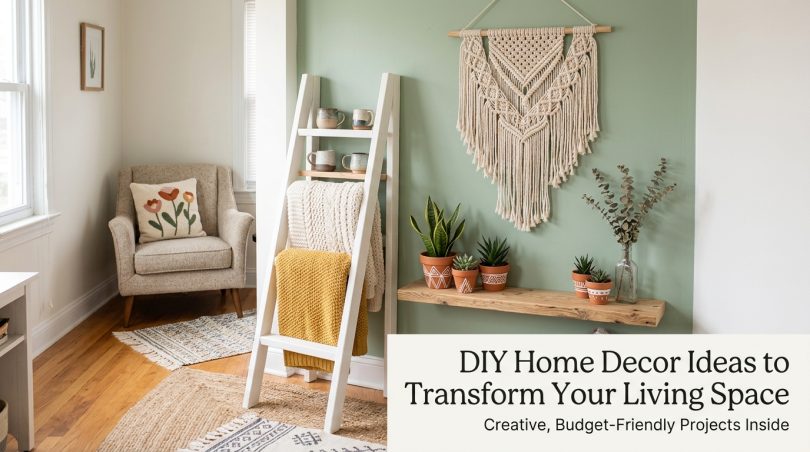

Every home contains a quiet stockpile of future decor: the solid old chair with the ugly varnish, the jars too good to throw away, the curtains from two homes ago. Upcycled home decor is the craft of seeing those objects for what they could be instead of what they currently are, and it delivers something shops cannot sell: furniture and decoration with a story, made to fit your rooms exactly, at a fraction of the cost of buying new. This guide covers how to choose candidates, the core techniques that make transformations succeed, and project ideas for every room.
Learn to See Potential
Upcycling starts with judgement, not tools. Look for bones, not surfaces. A chair that is heavy, stable and made of real wood is an excellent candidate under any amount of scratched varnish, while a wobbly piece made of crumbling board is not worth your paint. Glass jars, wooden crates, picture frames, ladders, suitcases and solid drawers are all classic raw material. Check for the deal-breakers before you begin: woodworm, deep mould, broken joints you cannot repair, and smells that survive cleaning.
Keep a short list on your phone of pieces you are hunting, with measurements of the spaces they must fill. Then second-hand shops, flea markets and even your own storage room become a supply store you browse with purpose, which is how upcyclers find their best material for almost nothing.
The Core Techniques: Clean, Repair, Prepare
Most failed projects fail before the paint comes out. Wash the piece thoroughly, because grease and dust defeat every finish. Make small repairs while it is clean: glue loose joints, fill dents and old screw holes with wood filler, tighten or replace hardware. Then prepare the surface honestly. A light sanding gives paint something to grip, and removing old flaking finish saves you from a new coat that peels within months.
Preparation feels like the slow part, and it is also the part professionals never skip. In upcycled home decor, the glamorous transformation photo is always standing on an hour of unglamorous washing, gluing and sanding, and accepting that order of events is the difference between pieces that last years and pieces that last until the next season.
Paint: The Great Transformer
Paint does more than change colour; it changes the object’s era and mood. A dated orange-pine dresser becomes calm and modern in a deep green or warm off-white. Chalk-style paints forgive imperfect preparation and give a soft matte finish that suits old furniture, while satin finishes wipe clean more easily in kitchens and children’s rooms. Test your colour on the back of the piece first, because every colour looks different against real light and real wood than it does on the tin.
Technique matters more than brand. Thin coats, allowed to dry fully, beat one thick coat that drips and peels. Paint the awkward parts first, undersides, insides, the back of legs, while your attention is fresh, and keep a damp cloth beside you for immediate drips. Replace or repaint the handles afterwards; new hardware on an old piece is the cheapest way to make the transformation look deliberate and finished.
Small Items, Big Difference
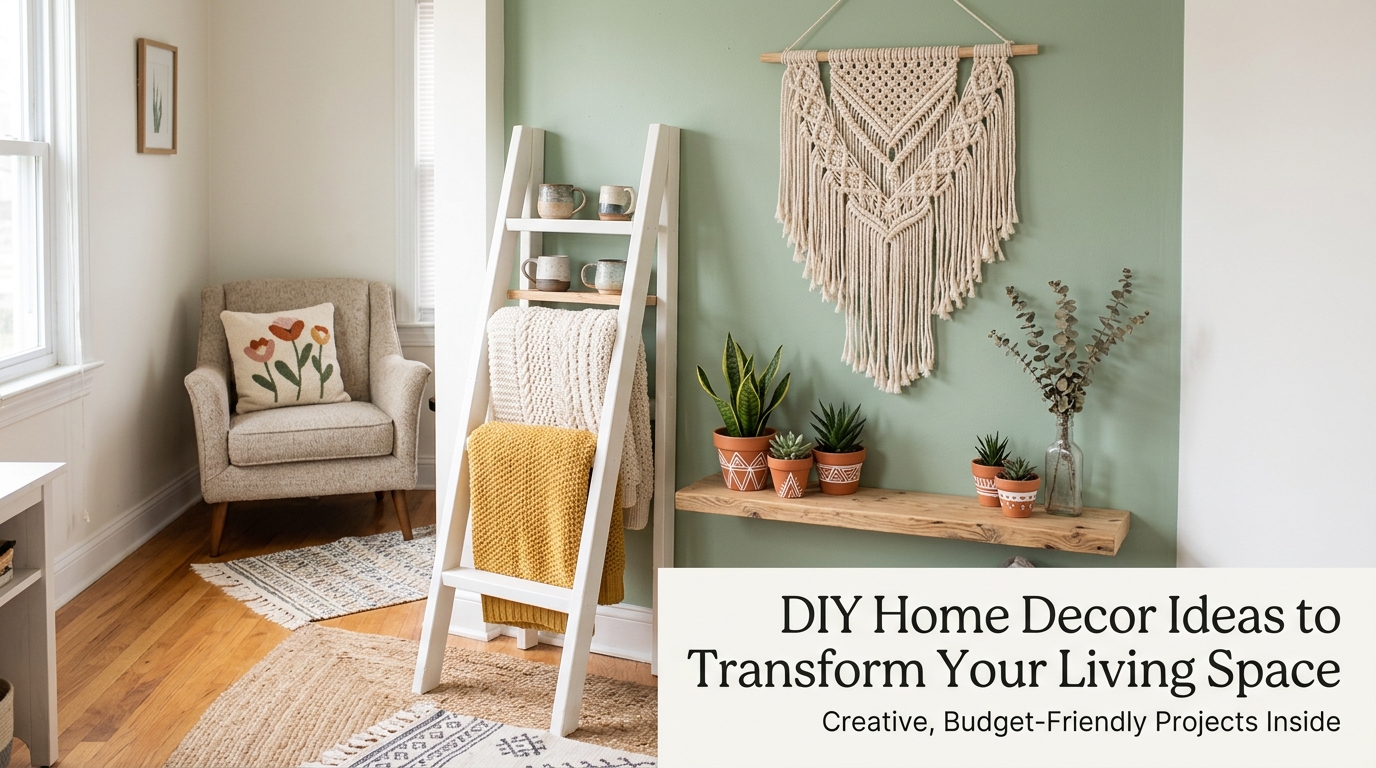
Not every project needs a weekend. Glass jars become matching kitchen storage with painted lids and handwritten labels, or candle holders wrapped in twine. An old ladder leans into a towel rail or a plant stand. Wooden crates stack into shelving that fits an awkward corner precisely because you built it to measure. Picture frames in mismatched styles unify instantly under one colour of paint and become a gallery wall.
Fabric scraps deserve a place too. Curtain remnants become cushion covers; a worn but beautiful shirt becomes a framed textile or a tote bag. These small projects are where beginners should start, because each one teaches a technique, sanding, painting, gluing, finishing, at a scale where mistakes cost nothing.
Old furniture also hides excellent storage. A drawer removed from a dead dresser becomes a wall shelf or a tray with handles added; the dresser’s frame, if it is sound, becomes open shelving. Doors from a demolished wardrobe make fine headboards and garden benches. Before discarding any large piece, walk around it once asking what its parts could be, because the most satisfying projects often begin with a component nobody else noticed.
Safety deserves one honest paragraph. Old paint on pre-modern furniture can contain lead, so sand vintage pieces outdoors with a mask, or use a chemical stripper and keep children away from the dust. Check upholstered finds thoroughly before bringing them indoors, and let anything suspect air outside first. A free piece that costs you a pest problem was not free.
Selling or Sharing Your Pieces Online
Many upcyclers discover their hobby can pay for itself. Photograph finished pieces in daylight against a plain background, describe the materials and measurements honestly, and price by the time a similar piece would cost someone to commission rather than by your material cost, which was probably near zero. Online tools make listing easy, but set them up properly first: clear photos, correct descriptions and the right language and location settings on whatever platform you use. The advice in this guide to language settings mistakes new users make was written for a gaming platform’s users, yet the underlying point is universal: wrong settings quietly produce wrong results, in a listing just as in an app.
Keep your screen habits healthy while you build a side income. The balance principles in this piece on understanding digital balance and practical safety apply to sellers too: set times for answering messages, keep personal details out of listings, and meet buyers in sensible public places for collection. The making should stay the joyful part; the selling is administration, so fence it into its own hours.
Conclusion
Upcycled home decor rewards a particular way of looking at the world: bones before surfaces, preparation before paint, and small finished projects before ambitious ones. Start with jars, crates and one honest piece of wooden furniture, master cleaning, repair and thin patient coats of paint, and your home will slowly fill with objects that fit it perfectly and mean something. That is a kind of decoration no shop can sell you, at any price.