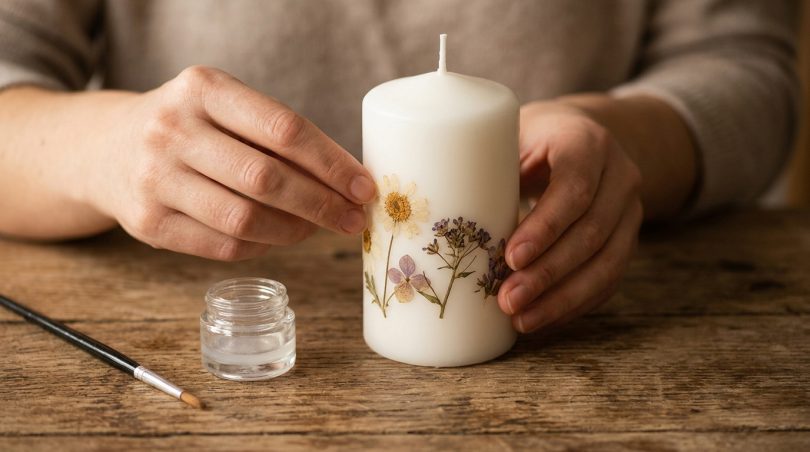

Everyone remembers the handmade gift long after the expensive one is forgotten, because a made gift carries something money cannot add: evidence that someone thought about you specifically and spent their time, the one thing nobody can buy more of. The good news is that handmade gift ideas do not require advanced skills or a studio full of equipment. They require a little planning, honest materials and attention to the person receiving them. This guide gathers ideas that genuinely cost very little, explains how to match them to people, and shows how presentation turns a simple object into a gift that feels luxurious.

Start With the Person, Not the Project
The most common handmade-gift mistake is making what you want to make and then hunting for someone to give it to. Reverse the process. Think about the person: what do they use every day, what do they complain about, what small pleasure do they never buy for themselves? A cook wants a beautiful utensil or an unusual ingredient. A tired new parent wants anything that makes an ordinary evening feel cared for. A student wants desk objects that make studying pleasanter. The right idea falls out of those answers almost by itself.
Keep a small note on your phone through the year: gift ideas as people reveal them. The friend who mentions loving a particular scent, the colleague whose mug broke, the relative who admired something in a shop window. When a birthday arrives, you consult the note instead of panicking, and your handmade gift ideas suddenly look like mind-reading.
Food Gifts: Simple, Warm and Always Welcome
Food is the safest handmade category because it is consumed, enjoyed and never becomes clutter. A jar of homemade jam, spice mix, granola or flavoured oil costs very little to produce in a small batch, and most of the perceived value comes from the jar and the label. Save attractive jars through the year, wash them thoroughly, and fill them close to the giving date for freshness. Baked gifts work the same way: a tin of biscuits tied with ribbon looks generous and tastes better than anything mass-produced.
Label honestly: ingredients, the date made, and a simple storage note. If you are buying jars, bottles or ingredients online for a batch of gifts, apply the same care you would to any purchase: check the seller, the materials and the delivery terms before paying. The habit of evaluating before trusting, outlined in this safety guide on practical review and evaluation tips, was written for a different context but states a universal rule for buyers: verified sellers and clear product information are what separate a smooth order from a wasted one.
Photo and Memory Gifts
A printed photograph in a decorated frame remains one of the most moving gifts a person can receive, precisely because almost nobody prints photographs anymore. Choose one strong image rather than a collage of many, print it at a decent size, and put your craft energy into the frame: painted, covered in fabric or paper, or mounted on card with a wide border and a handwritten caption underneath. Grandparents, in particular, rate these above nearly everything.
Memory jars are even simpler. Fill a clean jar with small folded notes: shared memories, compliments, reasons you value the person, one to be opened per day or whenever they need one. The materials cost almost nothing; the writing takes an hour; the effect lasts months.
A framed piece of handwriting works in the same spirit: a grandparent’s recipe card, a line from a family letter, or a child’s first written sentence, mounted simply on card and framed. These gifts cost the price of a frame, yet they protect something genuinely irreplaceable, and recipients consistently place them among their most valued possessions.
Stitched, Sewn and Assembled Keepsakes
Basic sewing opens a whole shelf of gifts. A simple tote bag from sturdy fabric, a lavender sachet for a drawer, a cushion cover in colours matched to their room, or a bookmark with a stitched initial all sit within beginner reach and all feel deeply personal because fabric choices can be matched to the person so precisely. If sewing is not your skill, assembled gifts work too: a small self-care box, a reading kit with a book, a bookmark and tea, or a plant cutting from your own healthiest plant in a decorated pot.
If you order fabric, craft kits or tools from overseas shops, take a moment to read the product details carefully in your own language before buying, since sizes, materials and colours are easy to misread in a foreign listing. Setting your shopping apps and browser language correctly first, the exact setup step whose common errors are covered in this guide to language settings mistakes to avoid for new users, prevents the classic disappointment of a gift project ruined by the wrong material arriving.
Presentation Is Half the Gift
Two identical objects can feel completely different depending on how they are given. Wrap simply and well: clean paper, one ribbon or piece of twine, and a tag with the person’s name written by hand. Add one line explaining the gift if it needs it, why you chose those colours, what the recipe is, when the photo was taken. That line is often kept longer than the gift itself.
Timing matters too. A modest gift given on an ordinary Tuesday, for no reason except that you thought of them, can outweigh a grand gesture on an expected date. Keep a couple of your best handmade gifts ready-made for exactly those moments.
Conclusion
The secret behind memorable handmade gift ideas is not skill or spending; it is specificity. Choose for the person, keep a running note of what they love, favour food, photos and fabric that can be matched to their life, evaluate anything you buy with a clear head, and present it with care and a handwritten line. Do that and your gifts will be the ones people describe to others, which is the true measure of a present given well.