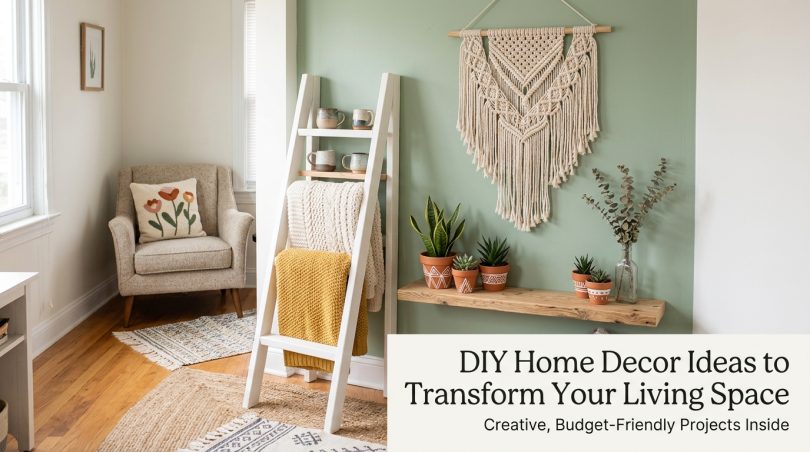

DIY home decor has become one of the most popular creative trends for people who want to personalize their living spaces without spending a lot of money. It allows individuals to use simple materials and turn them into beautiful decorative items that reflect their personal style. In modern lifestyle culture, DIY decor is not just about creativity, it is also about sustainability, cost-saving, and adding a unique identity to your home environment.
Creative Wall Decoration Ideas
Wall decoration is one of the easiest and most effective ways to improve the look of any room. DIY wall art made from paper, fabric, canvas, or recycled materials can instantly change the atmosphere of a space. People often use handmade frames, photo collages, posters, and painted designs to give their walls a personal and artistic touch. These ideas help transform empty walls into meaningful visual spaces.
These projects do not require expensive tools or professional skills. With simple materials and a bit of imagination, anyone can create stylish wall designs that match their room theme. This makes wall decoration one of the most beginner-friendly DIY home decor activities, suitable for students, homeowners, and creative hobbyists.
Handmade Furniture Upcycling Projects
Upcycling old furniture is a smart and eco-friendly way to redesign your home interior. Instead of discarding old items, they can be reused and transformed into something new through painting, polishing, or redesigning. Old chairs, tables, shelves, and wooden boxes can easily be converted into stylish and functional decor pieces.
This process not only saves money but also supports sustainable living by reducing waste. Each upcycled item becomes unique because it carries a personal creative touch. It also allows homeowners to match furniture with their interior theme without buying expensive new items from stores.
Decorative Lighting and Ambience Design
Lighting plays an important role in creating mood and atmosphere in any home. DIY lighting ideas such as fairy lights, handmade lamps, jar lights, and creative lanterns can make spaces feel warm and welcoming. These simple projects can completely change how a room looks and feels.
By adjusting light colors, placement, and designs, different moods can be created for different areas of the house. For example, soft lighting can create a relaxing bedroom environment while brighter setups can improve focus in study or work areas. This makes lighting design a powerful part of home decoration.
Tabletop and Small Space Decor Ideas
Small decorative items can have a big impact on overall home aesthetics. DIY tabletop decor includes handmade vases, candle holders, centerpieces, and mini plant setups. These items are easy to create and can instantly improve the beauty of tables, shelves, and corners.
They are especially useful for small spaces where large decorations are not possible. These simple designs help maintain a clean and stylish environment while still adding a creative and personal touch. Small decor also allows frequent changes, keeping the home look fresh and updated.
Frequently Asked Questions
What is DIY home decor
It is the process of creating decorative items for home using simple materials and creative ideas.
Do I need special skills for DIY decor
No, most DIY projects are beginner-friendly and easy to follow.
Is DIY decor expensive
No, it is usually budget-friendly and often uses recycled materials.
What are common DIY decor items
Common items include wall art, furniture upcycling projects, lighting decor, and tabletop decorations.
Why is DIY home decor popular
It is popular because it is creative, affordable, and allows personal expression in home styling.
Conclusion
DIY home decor is a creative and practical way to transform any living space into something personal, stylish, and meaningful. By using simple materials and imaginative ideas, people can design unique decorations that reflect their personality. It encourages creativity, saves money, and supports sustainable living, making it a valuable trend in modern home design.